The bigger your name gets, the more valuable your passwords become. That's the trade nobody mentions in the personal branding advice: visibility attracts audiences and attackers with equal efficiency, and most creators secure a six-figure business with the same password they used in college. This guide covers the other half of building a personal brand: protecting the digital presence you've built. Account security that takes an afternoon, privacy moves that don't kill your reach, and the warning signs that something's already wrong. Read it before you need it; that's the entire trick.
Why Does Building a Personal Brand Make You a Target?
Because you've done the attacker's research for them. A personal brand is, functionally, a public dossier: your face, your voice, your schedule, your collaborators, your gear, sometimes your gym. What builds connection with an audience builds capability for a stranger, and the math gets worse as your personal brand grows: more followers means more reach to abuse, more sponsors to defraud, more people who'll click a scam sent from "you."
The economics are blunt. A hijacked account with real followers sells, rents, and scams at scale, and the FBI logged nearly $20.9 billion in cybercrime losses last year, a meaningful slice of it flowing through exactly this kind of trust abuse. Cybercriminals don't need your bank; your audience is the asset, which makes cyber risk, for a creator, really audience risk.
None of this is a reason to shrink. It's a reason to treat security the way you treat your content calendar: a professional discipline, not a vibe. A secure personal brand isn't paranoid; it's just one that plans to still exist next year.

What Personal Information Are You Giving Away?
More than you posted on purpose. Every creator leaks personal details at the edges: a package label in a haul video, a street sign in a vlog, a birthday livestream that hands over the security-question answer, tagged locations that sketch your routine. Individually harmless; assembled, they're a profile. Threat actors assemble.
The classic trio to guard is your home address, your personal phone number, and any financial details, because those three convert online attention into offline problems. Use a PO box for fan mail and sponsor shipments, a virtual number for business contacts, and a business entity for contracts where you can. Limiting personal information in what you publish isn't about posting less; it's about posting deliberately.
Do one honest audit: search yourself the way a stranger would, in what every marketing deck calls our increasingly digital world and every stalker treats as a directory. The information you share online is permanent by default. The goal is making sure the permanent parts are the ones you chose.
How Do You Lock Down Account Security?
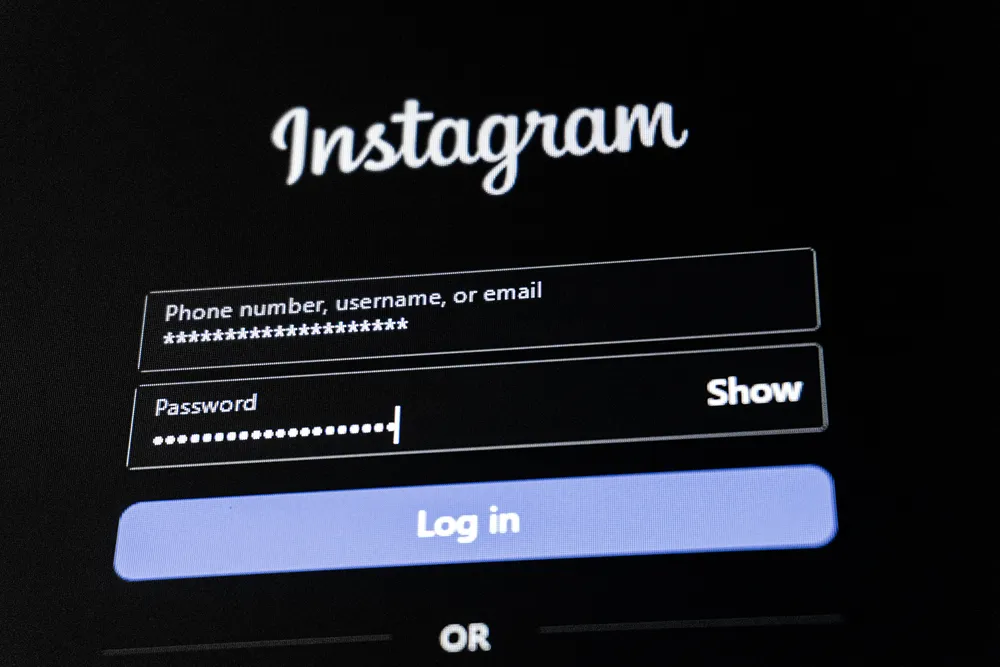
Start where takeovers actually start: passwords. Use complex passwords, make them unique passwords per platform, and avoid reusing passwords across multiple accounts, because reuse is the domino setup: if one account is compromised, every account sharing that password falls with it. Nobody memorizes thirty strong passwords, so consider using a password manager and let it do the remembering; it's the single highest-leverage habit on this page, and it's exactly what CISA's Core 4 guidance tells every American to do.
Then add the second lock. Two-factor authentication means signing in needs a second form of verification beyond the password — ideally an authenticator app or hardware key rather than SMS, since phone numbers can be hijacked. That extra layer of security turns stolen login credentials from a catastrophe into an inconvenience. Turn 2FA on everywhere it exists, starting with email, because email is the master key that resets everything else.
Round it out with hygiene: keep software updated, skip sensitive sign-ins on public Wi-Fi (or use a VPN), and remove old apps that still hold access to your social media accounts and other online accounts. An hour of setup, then it mostly runs itself; together these steps reduce the risk more than any gadget you could buy, and you can go back to the work while the locks do theirs.
How Do You Manage Privacy Settings Without Killing Your Reach?
Separate the stage from the wings. Your public profiles are the stage: curated, professional, wide open by design. Everything else, meaning personal accounts, family photos, and day-to-day life, belongs in the wings, where you manage privacy settings to control who can see it. Public brand, private person. The reach lives on the stage; the risk hides in the wings.
The settings on your social media profiles deserve a quarterly fifteen minutes, because social media platforms offer more control than most creators ever open: audience limits on personal posts, tag review, location scrubbing, comment filters, and visibility rules for your contact info. Social media platforms like Instagram and TikTok also quietly reset or add options with updates, which is why this is a recurring appointment, not a one-time chore; the National Cybersecurity Alliance's guidance keeps a plain-English rundown of what to check.
Two habits cost nothing and pay forever: post travel after you're home, not during, and avoid posting sensitive details in the background of anything — screens, documents, keys, kids' schools. Privacy and security for a creator is mostly choreography: decide what's on stage, and keep the wings dark.
What Scams Target Creators and Personal Brands?
The fake brand deal leads the league. It arrives as a flattering collaboration offer, complete with contracts and payment talk, and somewhere in the thread comes the ask: log in here to verify your account, install this "media kit," share a code we just texted you. These phishing attempts are tailored, patient, and dressed in the exact language of legitimate sponsorships, which is why smart, careful people fall for them weekly.
The defense is a verification ritual, not vigilance alone. Real companies survive skepticism: check the sender's domain against their actual site, make contact through official channels before clicking anything, and treat urgency itself as a red flag, because social engineering runs on hurry. No legitimate partner needs your password, your one-time code, or a sign-in through their link. Ever.
Phishing attacks aside, watch for the quieter cons: fake copyright strikes demanding "appeals" through lookalike portals, counterfeit management agencies, and giveaway scams run in your name. A hacker rarely breaks in anymore; they get invited. Your job is to make your door the kind that checks ID.
How Do You Monitor Your Online Presence?
You can't respond to what you never see. Monitoring starts free: setting up alerts for your name, your handles, and your brand terms takes ten minutes, runs forever, and means mentions reach you instead of surprising you. Search yourself monthly on each platform, including the misspellings, because copycats count on you never looking.
Go one layer deeper than the surface web. Leaked credentials from old breaches circulate for years, and your email addresses have almost certainly appeared in one; dark web monitoring watches the markets and forums where that data trades, so you learn about an exposed password before someone uses it. For a public figure, knowing what's already out there is the difference between a quiet reset and a public incident.
Fold it into your rhythm. A monthly thirty minutes (mentions reviewed, name searched, anything odd noted) is enough to keep watch without it becoming a second job. The point isn't anxiety. It's the calm of knowing that if something changes, you'll be the first to hear, not the last.

What Should You Do About Impersonators?
Move fast and file everything. Online impersonation is now a standard tax on visibility: fake accounts that impersonate you, using your photos to run romance scams, push crypto, or message your followers "personally." Every major platform has a dedicated impersonation report flow — use it the day you find the account, and ask a few loyal followers to report it too, since volume speeds review.
Prepare the evidence kit before you need it: government ID, links to your verified profiles, and screenshots with dates. Where a fake account uses your content, copyright takedowns often work faster than impersonation queues, so file both. And tell your audience directly: a pinned "I will never DM you about investments" post inoculates the people scammers actually target, which is them, not you.
If a fake persists, escalates, or starts to damage your reputation with sponsors, it graduates from nuisance to threat, and that's when professional brand security help earns its fee: coordinated takedowns, platform escalation paths, and documentation that stands up if lawyers get involved. Most impersonators fold at the first real resistance. Be resistance.
How Do You Shrink Your Digital Footprint Without Shrinking Your Brand?
Curate the archive, not just the feed. Your digital footprint includes a decade of old posts, forgotten accounts, and data-broker listings that republish your personal data (address history, phone numbers, relatives) to anyone with twelve dollars. Delete accounts you've abandoned, prune old posts that no longer match who you are, and unlink third-party apps that still ride along on your profiles.
Data brokers deserve their own session: search the major people-finder sites for yourself and request removal from each, a tedious-but-doable afternoon, or use a reputable removal service to handle the recurring re-listings. This is where identity theft and doxxing get prevented in advance: the sensitive information a harasser would use is usually bought, not hacked, and you can close the store.
Notice what none of this touches: your actual content, reach, or voice. A smaller footprint means less sensitive data floating beyond your control, while the stage stays fully lit. Protect your data at the edges so the center can stay public, loud, and yours.
How Should You Watch Account Activity for Warning Signs?
Your accounts already tattle; most people just never read the reports. Most online platforms show account activity — active sessions, device lists, recent sign-ins, connected apps — and a monthly skim catches trouble early: a city you've never visited, a device you don't own, an app you don't remember approving. Turn on login alerts so new sign-ins email you in real time, and treat any unauthorized access notification as a five-alarm now, not a someday.
Know the softer tells too. Followers mentioning DMs you never sent, posts or stories appearing and vanishing, settings changed on their own, password-reset emails you didn't request: each one means someone may be inside or knocking. Verification codes arriving unprompted are the loudest knock of all: someone has your password and is testing the second lock.
Have the bad-day plan written down before the bad day: change the password from a clean device, revoke unknown sessions and apps, check that recovery email and phone weren't swapped, and warn your audience if anything went out in your name. Speed decides whether an incident is a footnote or a headline, and for accounts that are your livelihood, professional recovery help exists for exactly this moment.
How Do You Build Trust While Staying Secure?
Here's the part the security lectures miss: this discipline is a brand asset. Audiences and sponsors both reward reliability, and nothing torches sponsor confidence like a feed full of crypto spam from a hijacked account. When you build trust, you're really building a track record of being exactly who you claim, every day. Security is simply that promise, kept at the technical layer.
It compounds professionally. Sponsors vet creators harder every year, and the ones with clean histories, verified profiles, and no incident record clear that diligence faster. Your authority in your field rests on your word arriving unaltered; secure social media habits are what guarantee the arrival. Your personal and professional lives share one reputation, so the locks protect both at once.
Best of all, online security done right is invisible to your audience. The password manager, the second factor, the monthly checkups: none of it appears on camera. You stay free to connect with your audience and focus on creating content, while the boring machinery hums underneath. In an online world, that hum is what durability sounds like.
Find Your Blind Spots
Every creator has a gap they haven't spotted: an old account, a leaked password, a data-broker listing with their home address. The fastest way to find yours is the Reputation Blindspot self-assessment: a short, confidential checkup that maps your exposure and hands you a prioritized fix list, built by the same team behind our influencer cybersecurity practice, with executive protection available for the moments when digital risk turns personal.
Take the self-assessment or talk to us quietly about anything this guide surfaced. Discretion is the house style; manage your online presence like the asset it is, and it will keep paying you back.
Key Things to Remember
- Visibility is a dossier: the same public profile that builds your audience equips your attackers, and the risk scales with your follower count.
- Guard the conversion points (home address, personal phone number, financial details) with a PO box, a virtual number, and a business entity.
- The afternoon that matters most: a password manager, unique passwords everywhere, and app-based 2FA starting with your email.
- Run public and private as stage and wings: open brand profiles, locked personal ones, and a quarterly pass through your platform settings.
- The fake brand deal is the creator's number-one scam; verify every offer through official channels and treat urgency as the tell.
- Monitor monthly: name notifications, self-searches, dark-web exposure, and the session lists your accounts already keep for you.
- Report impersonators the day you find them, keep an evidence kit ready, and scrub data brokers before a harasser goes shopping.
- Security is a sponsorship asset: an unhacked, incident-free brand clears vetting faster and keeps the trust you spent years earning.
