In today's digital landscape, organizations face an unprecedented wave of cyber threats that can cripple operations, compromise sensitive data, and inflict devastating financial damage. This comprehensive guide explores how managed cybersecurity services provide end-to-end protection, transforming your security posture from reactive to proactive. Whether you're a small business or a large enterprise, understanding the right cybersecurity solutions can mean the difference between thriving securely and becoming the next breach headline. Read on to discover how trusted cybersecurity service providers safeguard your digital assets and protect your business from evolving threats.
What Are Cybersecurity Services and Why Does Every Business Need Them?
Cybersecurity services encompass a comprehensive suite of solutions designed to protect organizations from cyber threats, data breaches, and unauthorized access. These security services range from basic firewall protection to advanced managed detection and response (MDR) capabilities that monitor, detect, and neutralize threats in real-time.
Every business, regardless of size, faces cybersecurity risk in today's interconnected digital environment. Small and medium-sized businesses are particularly vulnerable, often lacking the internal resources to maintain robust cybersecurity defenses. According to the Cybersecurity and Infrastructure Security Agency (CISA), 60% of small businesses close within six months of a significant cyber attack, highlighting the critical importance of proactive security measures.
Professional cybersecurity solutions provide the security capabilities necessary to safeguard critical infrastructure, customer information, and proprietary data. By partnering with a cybersecurity service provider, organizations gain access to security experts, advanced security tools, and proven methodologies that would be prohibitively expensive to develop in-house. These services help organizations maintain business continuity, achieve compliance with regulatory requirements, and gain peace of mind knowing their digital assets are protected around the clock.
How Do Managed Cybersecurity Services Protect Your Business?
Managed cybersecurity services offer comprehensive protection by combining cutting-edge technology with expert human oversight. Unlike traditional security solutions that rely solely on software, managed security services provide continuous monitoring through a dedicated security operations center (SOC) staffed by cybersecurity professionals who analyze threats and respond to incidents 24/7.
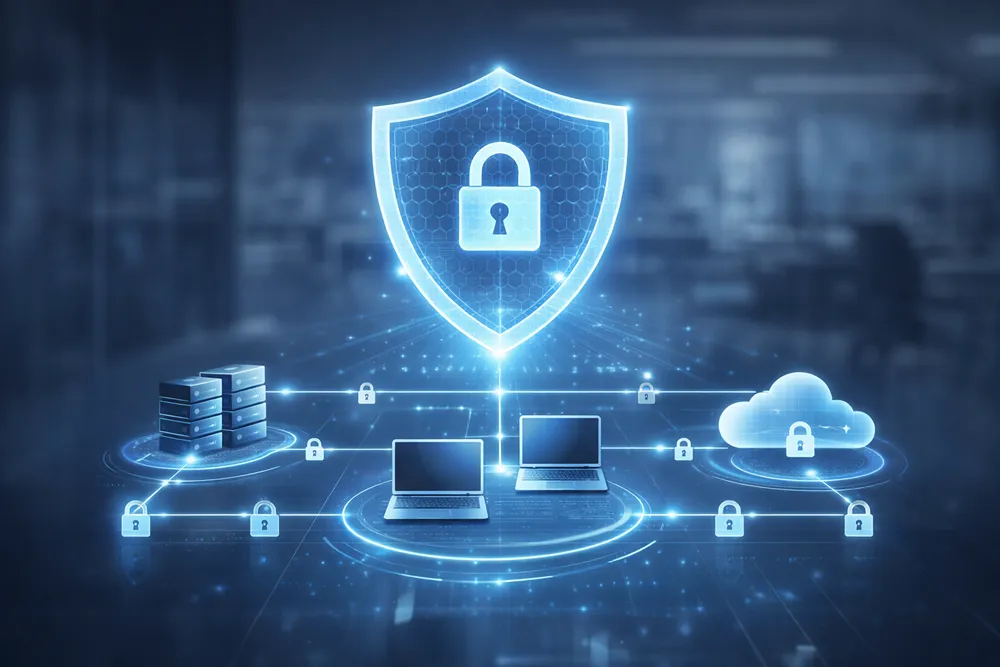
The foundation of managed cybersecurity lies in its layered approach to security. This includes endpoint detection and response (EDR) that protects individual devices, network security that monitors traffic for suspicious activity, and cloud security that safeguards cloud infrastructure. When integrated, these security solutions create a unified defense system that can detect and mitigate threats before they cause harm.
Managed detection and response services excel at identifying sophisticated cyber attacks that bypass conventional security controls. By leveraging machine learning algorithms and behavioral analytics, these services can spot anomalies indicating ransomware deployment, phishing attempts, or malware infiltration. The SOC team then coordinates incident response, containing threats and executing remediation procedures to minimize damage. This proactive approach to cybersecurity ensures that threats are neutralized swiftly, often before business operations are impacted.
What Types of Cyber Threats Do Security Services Address?
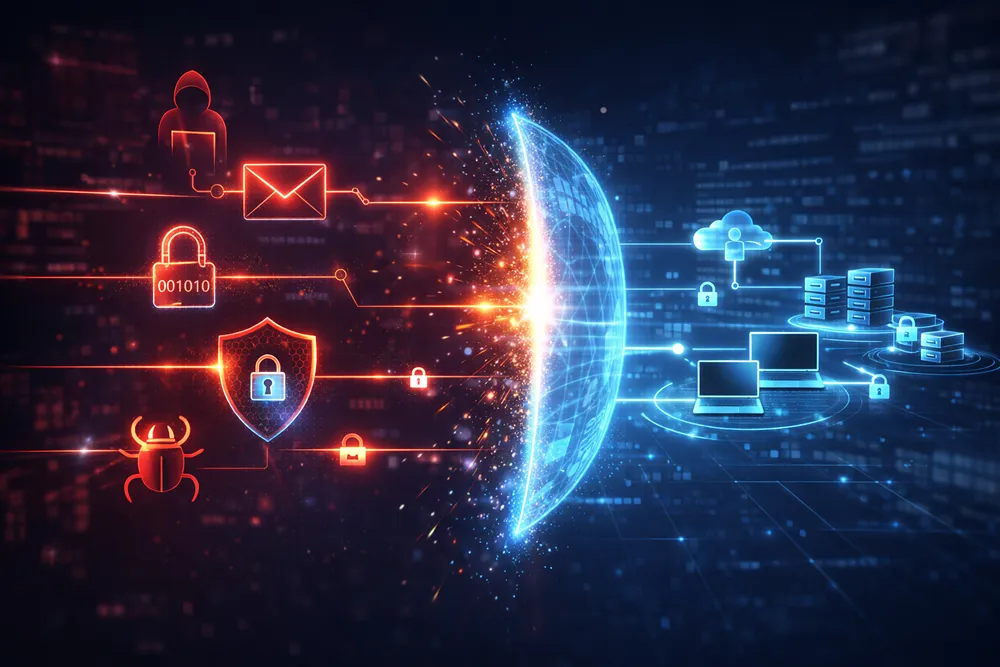
Modern cyber threats have evolved far beyond simple viruses, requiring sophisticated cybersecurity consulting to understand and counter effectively. Ransomware attacks have become increasingly prevalent, with cybercriminals encrypting sensitive data and demanding payment for decryption keys. According to NIST's Cybersecurity Framework, organizations must prepare for ransomware through both preventive measures and response planning.
Phishing and social engineering attacks exploit human vulnerabilities rather than technical weaknesses. These deceptive tactics trick employees into revealing credentials or downloading malicious software, making security awareness training an essential component of any comprehensive security strategy. Effective security training empowers staff to recognize and report suspicious communications before they compromise security.
Advanced persistent threats (APTs) represent sustained, targeted attacks where adversaries gain unauthorized access and remain undetected within networks for extended periods. These sophisticated cyberattacks require advanced security capabilities including threat intelligence, behavioral analysis, and continuous vulnerability assessment. Data breaches, whether through external attacks or insider threats, pose ongoing risks that demand multi-layered data protection strategies encompassing encryption, access controls, and data loss prevention technologies.
How Can Organizations Choose the Right Cybersecurity Solutions?
Selecting appropriate cybersecurity solutions begins with understanding your organization's unique risk profile and security requirements. A thorough cybersecurity risk assessment evaluates current security posture, identifies vulnerabilities, and prioritizes remediation efforts based on potential impact. This assessment should consult industry-specific regulations and compliance requirements, such as those outlined in CMMC preparation for defense contractors.
When evaluating cybersecurity service providers, organizations should consider several critical factors. First, assess the provider's experience with businesses of all sizes and industries similar to yours. Second, examine their security operations capabilities, including SOC maturity, response times, and threat intelligence sources. Third, verify their ability to integrate with existing security infrastructure while providing scalability for future growth.
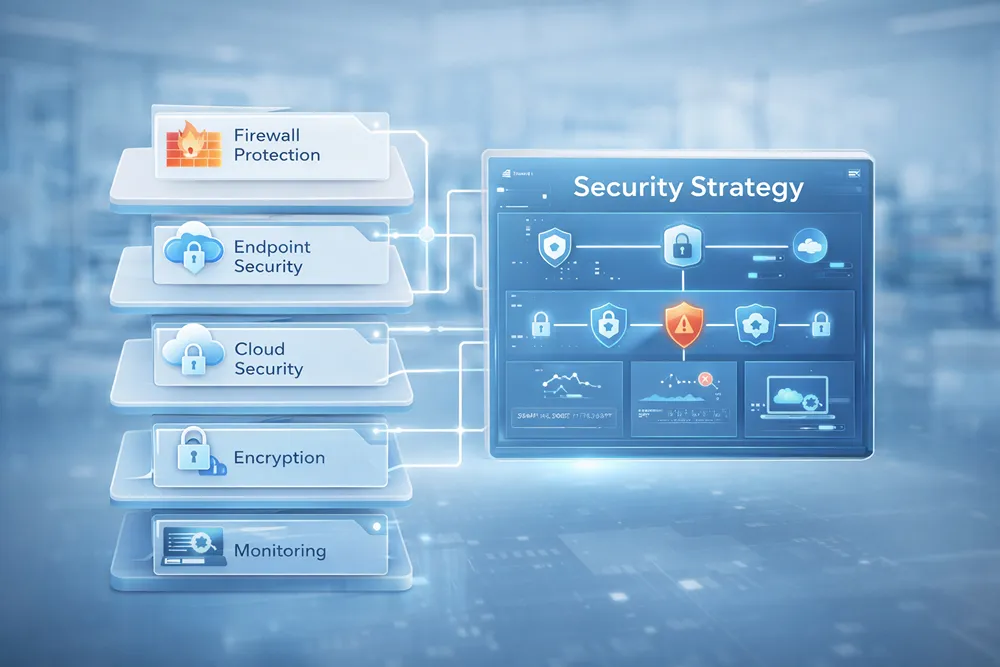
The right cybersecurity approach balances prevention, detection, and response capabilities. Solutions should include endpoint protection, email security, application security, and network security as foundational elements. Layer these with managed detection services that provide real-time threat detection and response capabilities. According to Gartner's research, organizations that combine multiple security layers reduce their risk of successful attacks by up to 85% compared to those relying on single-point solutions.
What Are the Key Components of Comprehensive Security Services?
Comprehensive security services encompass multiple interconnected components that work together to protect your business. Vulnerability management involves regularly scanning systems to identify weaknesses, prioritizing patches, and validating that security measures remain effective against emerging threats. This continuous process ensures that known vulnerabilities don't become entry points for cyber threats.
Incident response services provide structured methodologies for handling security breaches when they occur. A well-designed incident response plan includes detection protocols, containment procedures, forensic analysis capabilities, and recovery processes. Executive protection extends beyond physical security to include digital safeguards for high-value targets within organizations who face elevated cyber risk from targeted attacks.
Security operations encompass the day-to-day activities that maintain organizational security posture. This includes log management, security event correlation, threat hunting, and compliance monitoring. Managed security services providers handle these time-intensive operations, allowing internal teams to focus on strategic initiatives. Additionally, consulting services help organizations develop security strategies, architect secure systems, and establish best practices aligned with frameworks like ISO 27001 and compliance requirements.
How Do MDR Services Enhance Threat Detection and Response?
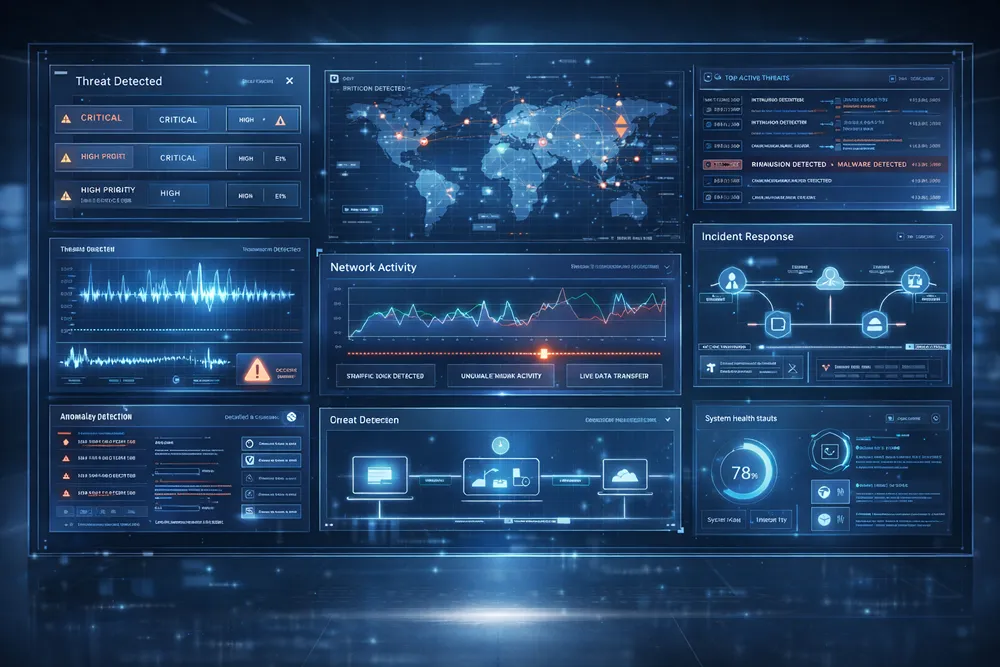
Managed detection and response (MDR) services represent the evolution of traditional security monitoring, combining advanced technology with expert analysis to identify and neutralize threats rapidly. Unlike conventional managed security services that primarily alert on potential issues, MDR providers actively investigate alerts, determine their validity, and take immediate action to contain legitimate threats.
The power of MDR lies in its ability to reduce false positives while ensuring genuine threats don't go unnoticed. Security experts analyze behavioral patterns, correlate events across multiple data sources, and apply threat intelligence to distinguish between benign anomalies and actual attacks. This human-plus-machine approach dramatically improves detection accuracy compared to automated tools alone.
MDR services provide endpoint detection and response capabilities that monitor individual devices for suspicious activity, process behaviors, and file modifications that might indicate compromise. When threats are detected, MDR teams coordinate swift remediation, isolating affected endpoints, terminating malicious processes, and removing malware before it spreads. The SANS Institute reports that organizations using MDR services reduce their average breach detection time from 287 days to under 48 hours, minimizing potential damage and financial loss.
What Role Does Vulnerability Management Play in Cybersecurity?
Vulnerability management forms the foundation of proactive cybersecurity, identifying and addressing security weaknesses before attackers can exploit them. This systematic process includes asset discovery, vulnerability scanning, risk prioritization, and remediation verification. Organizations must maintain an accurate inventory of all systems, applications, and network devices to ensure comprehensive vulnerability coverage.
Modern vulnerability management extends beyond traditional network scanning to include cloud infrastructure, containerized applications, and IoT devices. Each technology introduces unique security challenges requiring specialized tools and expertise. Security services designed for comprehensive vulnerability management employ multiple scanning techniques, including authenticated scans that provide deeper visibility into system configurations and patch levels.
Prioritizing vulnerabilities based on exploitability, business impact, and threat intelligence ensures that remediation efforts focus on the most critical risks first. Not all vulnerabilities pose equal danger—some exist in systems with limited exposure or have no known exploits, while others face active attacks in the wild. According to research from Tenable, organizations that prioritize vulnerabilities strategically reduce their overall cyber risk by 65% compared to those attempting to patch everything sequentially. Continuous validation confirms that patches deploy successfully and security controls function as intended, completing the vulnerability management lifecycle.
How Can Small Businesses Access Enterprise-Grade Security Solutions?
Small businesses face the same sophisticated cyber threats as large enterprises but typically lack dedicated IT security teams and substantial security budgets. Managed cybersecurity services democratize access to advanced security capabilities by providing enterprise-grade protection at affordable, predictable costs. This services provider model eliminates the need for significant capital investment in security infrastructure and specialized personnel.
Cloud-based security solutions offer particular advantages for small businesses, delivering powerful security capabilities without requiring on-premises hardware. Cloud security platforms provide firewall protection, email security, endpoint protection, and threat detection through subscription-based models that scale with business growth. These solutions update automatically, ensuring protection against the latest threats without requiring internal resources for maintenance.
Information security for small businesses should prioritize the most common attack vectors while remaining budget-conscious. Essential services include email security to block phishing attempts, endpoint protection for devices, regular data backups for ransomware resilience, and security awareness training for employees. Many managed services providers offer specifically tailored packages for small and medium-sized businesses, bundling these critical services at competitive prices. The Small Business Administration provides resources and guidance to help organizations understand their cybersecurity needs and select appropriate solutions.
What Is the Importance of Security Awareness Training?
Security awareness training addresses the human element of cybersecurity, which remains the weakest link in most organizations' defenses. Even the most advanced security technologies cannot prevent breaches caused by employees falling victim to social engineering tactics or practicing poor security hygiene. Comprehensive training programs educate staff about cyber threats, safe computing practices, and their role in maintaining organizational security.
Effective security awareness training goes beyond annual compliance videos, incorporating regular simulations and interactive learning experiences. Phishing simulation exercises test employees' ability to recognize suspicious emails, providing immediate feedback and remedial training for those who fail tests. These practical exercises significantly improve recognition rates, with organizations reporting up to 90% reductions in successful phishing attacks after implementing ongoing training programs.
Topics covered in robust security awareness training include password management, recognizing phishing attempts, secure handling of sensitive data, safe internet browsing, mobile device security, and incident reporting procedures. Training should be role-specific, with employees handling sensitive data or having elevated privileges receiving additional instruction. According to the Ponemon Institute, organizations investing in comprehensive security awareness training experience 70% fewer security incidents attributable to human error, demonstrating the significant return on this relatively modest investment.
How Do Cybersecurity Consulting Services Add Value?
Cybersecurity consulting services provide strategic guidance and specialized expertise that complements technology-focused security solutions. Consultants assess current security posture, identify gaps between existing capabilities and industry best practices, and develop roadmaps for security program maturation. This objective external perspective often reveals blind spots that internal teams overlook due to familiarity with existing systems and processes.
Risk management consulting helps organizations understand their threat landscape, quantify cyber risk in business terms, and allocate security resources effectively. Consultants facilitate risk assessments, develop risk treatment strategies, and establish governance frameworks that align cybersecurity investments with business objectives. This strategic approach to cybersecurity ensures that security spending delivers maximum risk reduction rather than simply implementing technologies without clear justification.
Specialized consulting services address complex challenges such as security architecture design, compliance program development, incident response planning, and vendor security assessments. For organizations pursuing specific certifications or regulatory compliance, consultants provide invaluable guidance through requirements interpretation, gap remediation, and audit preparation. The International Information System Security Certification Consortium (ISC)² notes that organizations working with qualified cybersecurity consultants achieve compliance 40% faster than those attempting certification independently, while also building more mature, sustainable security programs.
What Should Organizations Look for in a Trusted Cybersecurity Service Provider?
Selecting a trusted cybersecurity service provider requires careful evaluation of capabilities, experience, and cultural fit. Providers should demonstrate deep technical expertise across multiple security domains, including network security, cloud security, endpoint protection, and threat intelligence. Request case studies or references from organizations similar in size and industry to verify the provider's track record of success.
Transparency in operations and communication distinguishes exceptional providers from mediocre ones. Services provide detailed reporting on security events, threat landscape changes, and security posture improvements. Regular business reviews should discuss ongoing risks, strategic recommendations, and performance metrics. Additionally, providers should clearly explain their detection methodologies, response procedures, and escalation paths, ensuring you understand exactly how they protect your business.
Certification and compliance credentials validate a provider's commitment to security excellence. Look for certifications such as ISO 27001, SOC 2 Type II, and industry-specific qualifications demonstrating adherence to rigorous standards. Services designed to help organizations achieve compliance should maintain current expertise in relevant regulations and frameworks. Finally, evaluate the provider's security capabilities for their own infrastructure—a provider that cannot secure their own systems certainly cannot adequately protect yours. The Cloud Security Alliance offers resources for evaluating provider security maturity and asking appropriate due diligence questions.
Frequently Asked Questions About Cybersecurity Services and Solutions
How much should organizations budget for cybersecurity services?
Security spending typically ranges from 4-12% of IT budgets, depending on industry, regulatory requirements, and risk tolerance. Small businesses might allocate $1,000-$5,000 monthly for managed cybersecurity solutions, while enterprises invest significantly more for comprehensive coverage.
Can managed services replace internal security teams?
Managed cybersecurity services complement rather than replace internal teams for most organizations. Providers handle monitoring, threat detection, and response, allowing internal staff to focus on security strategy, governance, and business-specific initiatives. Very small organizations may rely entirely on managed services initially.
How quickly can cybersecurity services be implemented?
Basic security solutions can deploy within days, while comprehensive managed cybersecurity programs typically require 4-8 weeks for full implementation. This timeline includes asset discovery, baseline security assessment, tool deployment, integration with existing systems, and team onboarding.
What happens during a security incident?
When managed detection services identify threats, the SOC team immediately contains the threat, notifies designated contacts, and begins remediation. Providers coordinate with internal teams throughout incident response, providing forensic analysis and recommendations to prevent recurrence.
How do businesses measure cybersecurity service effectiveness?
Key metrics include mean time to detect (MTTD) and mean time to respond (MTTR) to threats, number of prevented incidents, vulnerability remediation rates, and compliance status. Quarterly security posture assessments track improvements over time, demonstrating the value of services help deliver.
Key Takeaways: Essential Points to Remember
- Cybersecurity services and solutions provide comprehensive protection against evolving cyber threats, combining technology, expertise, and continuous monitoring to safeguard organizations of all sizes
- Managed cybersecurity services offer 24/7 threat detection and response through security operations centers, delivering enterprise-grade security capabilities at predictable costs
- Layered security approaches combining endpoint protection, network security, cloud security, and email security provide more robust cybersecurity than single-point solutions
- Vulnerability management and regular security assessments identify and remediate weaknesses before attackers exploit them, forming the foundation of proactive security posture
- MDR services dramatically reduce breach detection time from months to hours, minimizing potential damage through rapid threat detection and response
- Security awareness training addresses the human element, significantly reducing successful phishing attacks and security incidents caused by employee errors
- Small businesses can access enterprise-grade security solutions through managed services providers, eliminating the need for substantial capital investment in security infrastructure
- Cybersecurity consulting provides strategic guidance for security program development, compliance achievement, and risk management aligned with business objectives
- Trusted cybersecurity service providers demonstrate transparency, maintain relevant certifications, and deliver measurable improvements to security posture while helping organizations maintain business continuity
- Comprehensive security services protect your business from financial loss, reputational damage, and operational disruption, providing peace of mind and competitive advantage in an increasingly digital marketplace
Investing in the right cybersecurity solutions isn't optional in today's threat landscape—it's essential for survival and success. By partnering with experienced security experts and implementing best practices for data protection, organizations can respond to threats effectively, mitigate cyber risk proactively, and focus on their core business with confidence that their digital assets remain secure.
